Progressive strength training for the muscles responsible for resisting pressure and maintaining control.
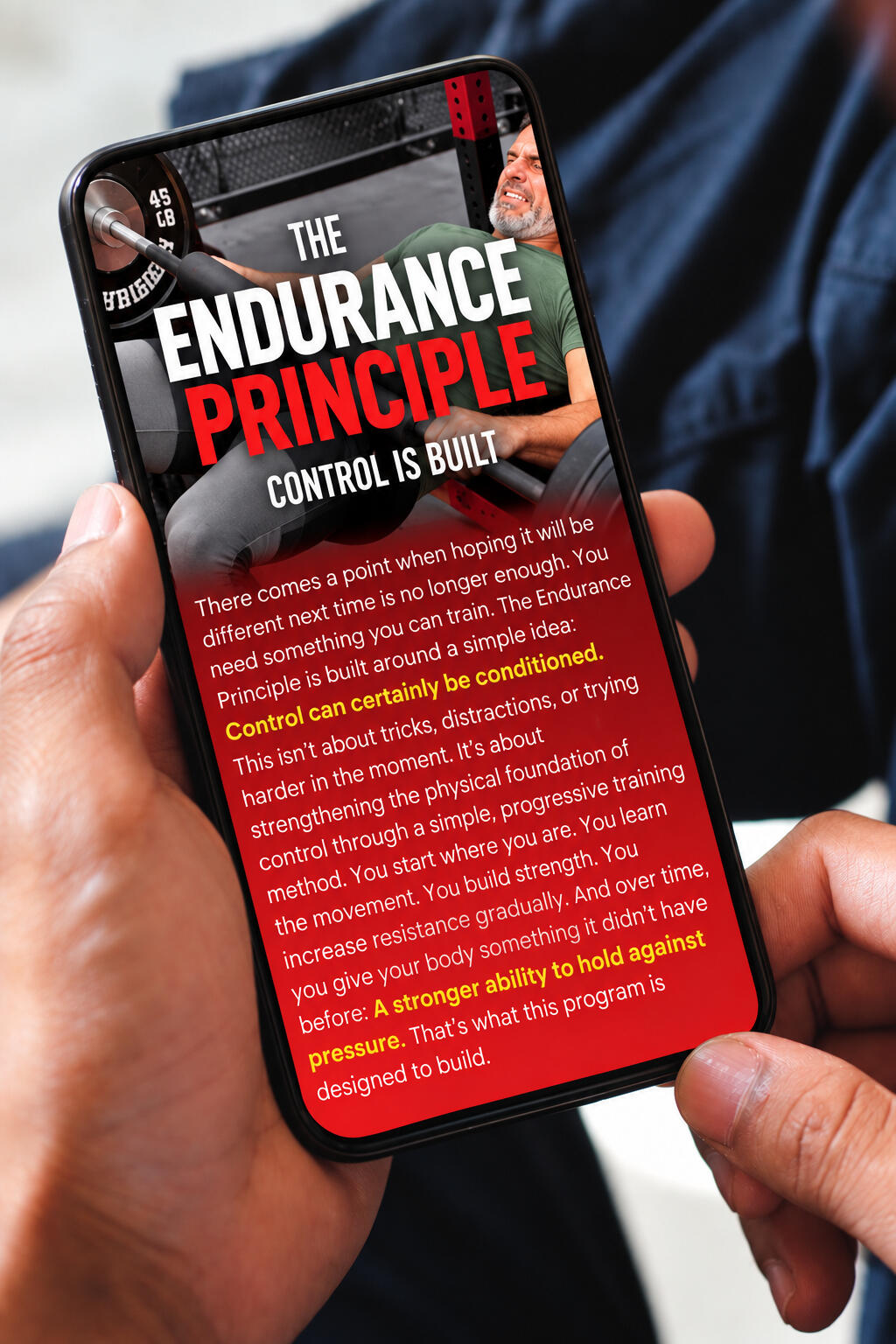
THE ENDURANCE PRINCIPLE
13-Page Illustrated Training Guide
$28
Instant digital access • Read it on your phone • No subscription
You Didn’t Always Have This Problem.There was a time when holding back didn’t require this much effort. Now the pressure builds faster. Your control gives way sooner. And once you reach that point, there’s very little you can do to stop it.
That doesn’t automatically mean something is wrong with you. It may mean something has simply gotten weaker.

What If This Is a Strength Problem?You already understand progressive resistance everywhere else in the body. If you want stronger legs, you don’t just contract them over and over. You give them resistance. You gradually increase the demand. The muscle adapts.So why would the muscles involved in control be any different?Traditional pelvic-floor exercises teach you to contract those muscles. But contraction alone and progressive strength training are not the same thing. The Endurance Principle takes a different approach. Instead of simply squeezing, holding and releasing, you progressively train those muscles against resistance -starting where you are and gradually increasing the challenge as strength develops. Because when pressure rises, something has to be strong enough to hold against it.
The Muscle Behind the Method.There is a small but important muscle in the pelvic floor called the bulbocavernosus muscle -or
BC muscle. It plays a role in the muscular contractions involved in ejaculation.
Like other skeletal muscles, it can be contracted voluntarily. And like other muscles, its ability to produce force can be trained.
That distinction is the foundation of The Endurance Principle.The goal isn't simply to become better at squeezing the muscle. The goal is to progressively strengthen it so that when pressure begins to build, you have more physical capacity to resist it.
That is what the training inside this guide is designed around.
So What Makes This Different From Kegels?Kegels taught men to squeeze, hold and release.
That's a useful starting point. But if you performed the same number of repetitions, with the same resistance, month after month, would you expect any other muscle in your body to keep getting stronger? Probably not. Strength requires progression.The Endurance Principle takes the basic contraction and turns it into a progressive training method. You begin with a manageable level of resistance. You learn to perform the movement correctly. Then, as your strength improves, you gradually increase the load.No complicated routine. No endless squeezing. No trying to distract yourself when you're already close to the point of no return.
You train beforehand -so you're building greater physical capacity before you need it.
The kind of capacity your body may once have had naturally when you were younger. The objective isn't to turn back the clock. It's to train back some of what time has taken away.
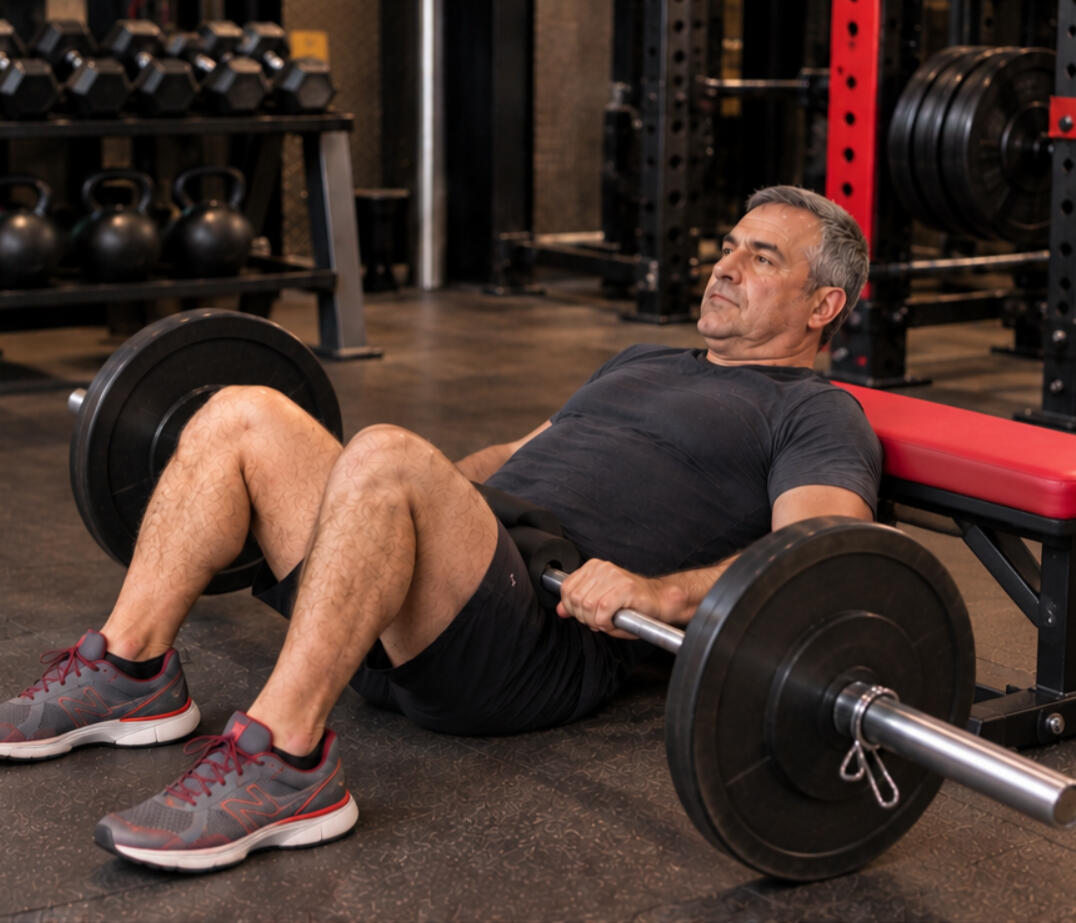
Everything You Need to Start Training.The Endurance Principle is a 13-page illustrated training guide designed to take you from understanding the method to actually putting it to work. You’ll see how the movement is performed, how resistance is introduced, how to begin at a manageable level, and how to progressively increase the challenge as your strength develops.
Inside the guide, you’ll learn:
How to identify and engage the muscles you're training
The movement and correct starting position
How to introduce resistance instead of relying on contractions alone
How to choose a sensible starting load
How to progressively increase resistance as you get stronger
How to turn it into a simple training routine you can actually follow
No 100-page manual. No complicated system.
13 illustrated pages. Clear instructions. A progressive method you can actually train.
THE ENDURANCE PRINCIPLE
13-Page Illustrated Training Guide
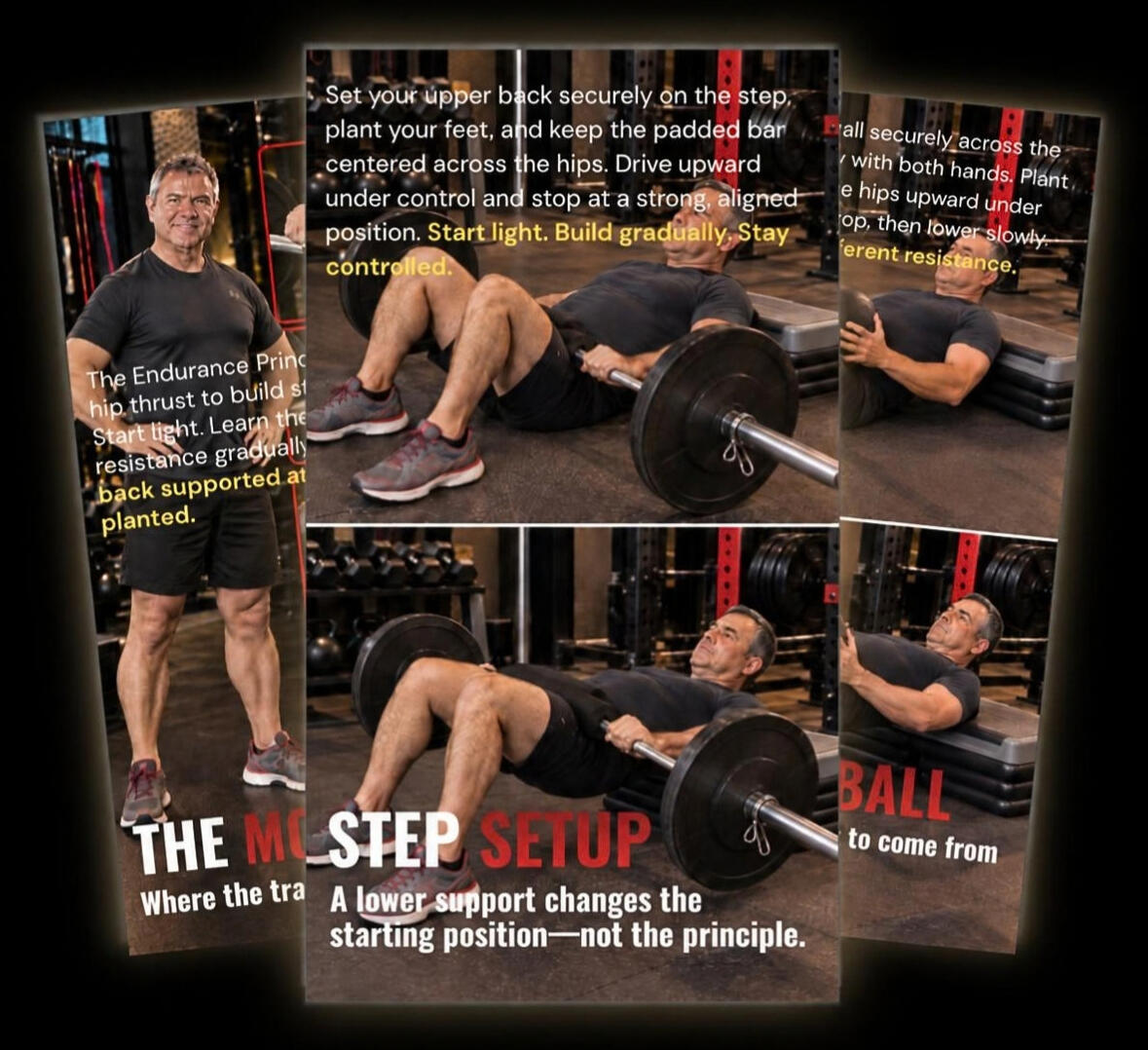
You Don’t Need a Gym to Do This.I didn’t start training this way in a gym. I started in my basement at home 13 years ago. I kept the equipment set up so I could train whenever I wanted -no commute, no waiting for equipment, no building my day around getting to a gym. I didn’t move my training into a gym until years later. And you don’t need to start there either. You start with the resistance you can control.
For one man, that may be very little. For another, considerably more. What matters is establishing your starting point, learning the movement, and increasing the resistance as your strength develops. Your starting point doesn’t matter. Progression does.
This Doesn't Have to Take Over Your Life.When I trained at home, the equipment stayed set up in one area of my basement. I could get into position, do the work, and get on with my day.
My typical training session took about 20 minutes. Four working sets with short rests between them. That was it. This wasn’t something I spent hours doing every day. It was one focused resistance-training session built around one movement and one purpose: gradually building greater physical capacity than I had before.
I eventually became much stronger. But I didn’t begin there. Neither should you.
I Was Where You Are Now.In my early 40s, I was dealing with the same problem I’m talking about on this page. Two-minute performances. And I hated it.
I remembered having better control when I was younger. Now the pressure seemed to build almost immediately, and once I reached a certain point, there was very little I could do to stop it. The best word I can use to describe how that felt is betrayal. I felt like my own body was betraying me.
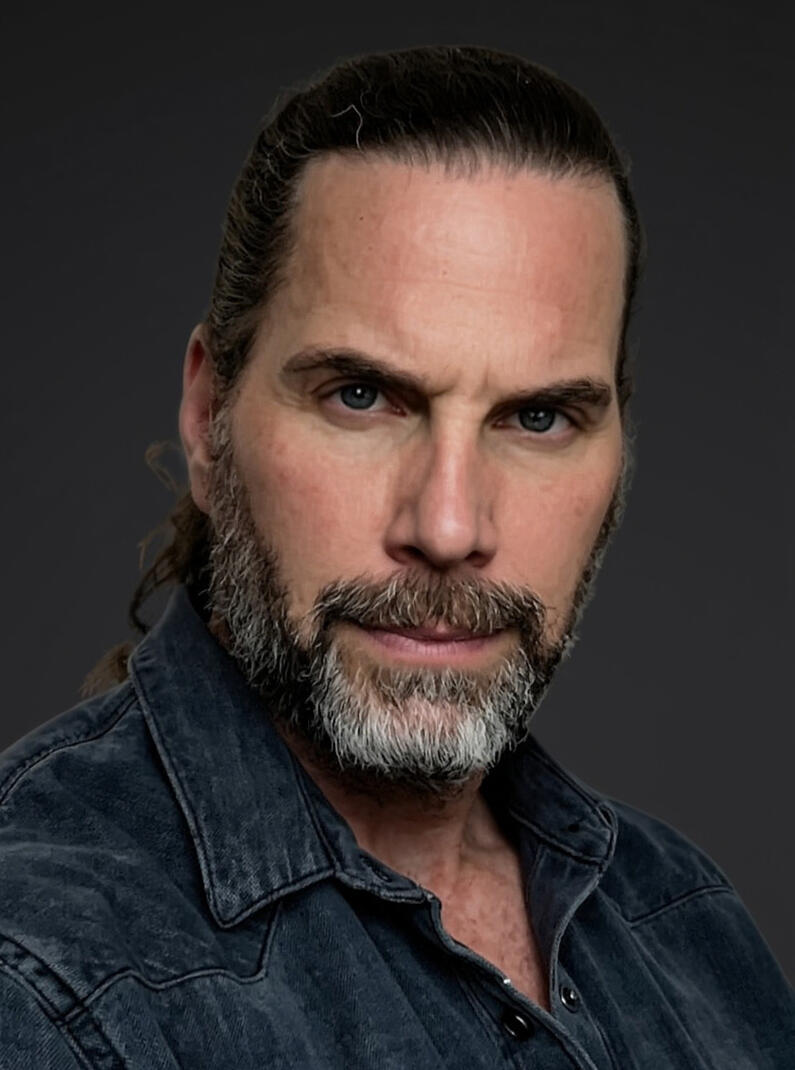
My mind was saying not yet. My body wasn’t listening. And that left me feeling powerless. I didn’t know what had changed. I started wondering whether this was simply another part of getting older that I was going to have to live with.
What I couldn’t have known was that something I was about to start doing for an entirely different reason would change everything for me.
I was trying to build my glutes.
See I’d always had thick, powerful legs, but my glutes needed work. So I began experimenting with an exercise specifically to target them. Back then, it was an exercise I saw performed primarily by women. I wasn’t thinking about sexual endurance. I wasn’t trying to develop a method. And I certainly wasn’t thinking about creating a product. I just wanted to build my ass.
So I started training.And then something happened I hadn’t expected.
My control during sex began to change. The pressure wasn’t overwhelming me the way it had before. I could hold back again. At first, I wasn’t even sure the exercise had anything to do with it. But I kept training -and the improvement kept showing up. Within a relatively short period of time, those two-minute performances that had been making me miserable were no longer my normal experience. That got my attention.Sometimes I think about what might have happened if I’d never started training my glutes. I might have continued struggling with premature ejaculation for years. I remember how powerless I already felt when I was living through it. And there are men all over the world dealing with that same feeling right now. Being a man is hard enough. You don’t need this shit in your life too.
What began accidentally became something I continued training for the next 13 years.Today, my normal working resistance is around 215 pounds. But understand something: You do not need 215 pounds to do this.
I use that amount because I’ve been training the movement for 13 years and I’m getting two things from it -I’m still training my glutes while also training the muscles targeted in The Endurance Principle. The number isn’t the goal. Start with resistance you can control. Then progressively challenge yourself as you become stronger. Becoming stronger than you are today is the goal.
THE ENDURANCE PRINCIPLE
13-Page Illustrated Training Guide
$28
Instant digital access • Read it on your phone • No subscription
Is This For You?The Endurance Principle was created for men who recognize themselves in what you've just read.
You remember having better control. You know what it feels like when the pressure builds faster than it used to -and you've started wondering whether this is simply something you're going to have to accept. This guide is for the man who isn't ready to accept that without doing something about it. You don't need to be an athlete. You don't need to be where I am after 13 years of training. You just need to be willing to start.
This guide isn't intended to diagnose or treat a medical condition. If your symptoms appeared suddenly, are accompanied by pain or other physical symptoms, or you believe an underlying medical condition may be involved, talk with a qualified healthcare professional.
A Few Questions You May Have.How long does a training session take?
My own sessions typically take about 20 minutes, including short rests between sets. Your training time may vary depending on your starting point and routine.Is this just another Kegel routine?
No. The Endurance Principle is built around applying progressive resistance to the movement rather than simply repeating unweighted contractions.What exactly do I get?
You get immediate access to the complete 13-page illustrated training guide, designed to be read directly on your phone. It walks you through the movement, setup, resistance options and progression so you can begin training at your own level.

You Don't Have to Accept the Decline.I’m 57 years old. So when I talk about getting older, losing strength and watching your body change, I’m not talking about something I read in a book. I’m living it too. I have to maintain what I’ve built. I have to keep training. And at this stage of my life, I understand better than ever that the body doesn’t simply give you everything it gave you when you were 25. But that doesn’t mean you have to quietly accept every decline that comes with getting older. Especially when it begins affecting one of the most intimate parts of your life. You know when your control has changed. And the woman in your life maybe noticing it too. Two-minute performances don’t happen in isolation. Ignoring it doesn’t make that pressure disappear. Do something about what you can still change.I can’t promise you my results. Nobody honestly can. But I can show you what I discovered, what I’ve trained for the last 13 years, and what I still practice at 57. You may never be the man you were at 25 again. That isn’t the point. The point is refusing to assume that where you are today is where you have to stay. You can't turn back the clock. But you can train back some of what time has taken away.
THE ENDURANCE PRINCIPLE
13-Page Illustrated Training Guide
$28
Instant digital access • Read it on your phone • No subscription
© 2026 Christian Hill. All Rights Reserved.
For educational purposes only. This is not medical advice.